
Articles
Transcatheter Aortic Valve Implantation (TAVI): A Revolution in Cardiac Care
Explore TAVI, the revolutionary minimally invasive cardiac treatment for aortic stenosis. CarePort facilitates access to this life-saving procedure, ensuring seamless international patient journeys.

Subscribe to our weekly newsletter
Subscribe to our newsletter for cardiology insights and global treatment options.
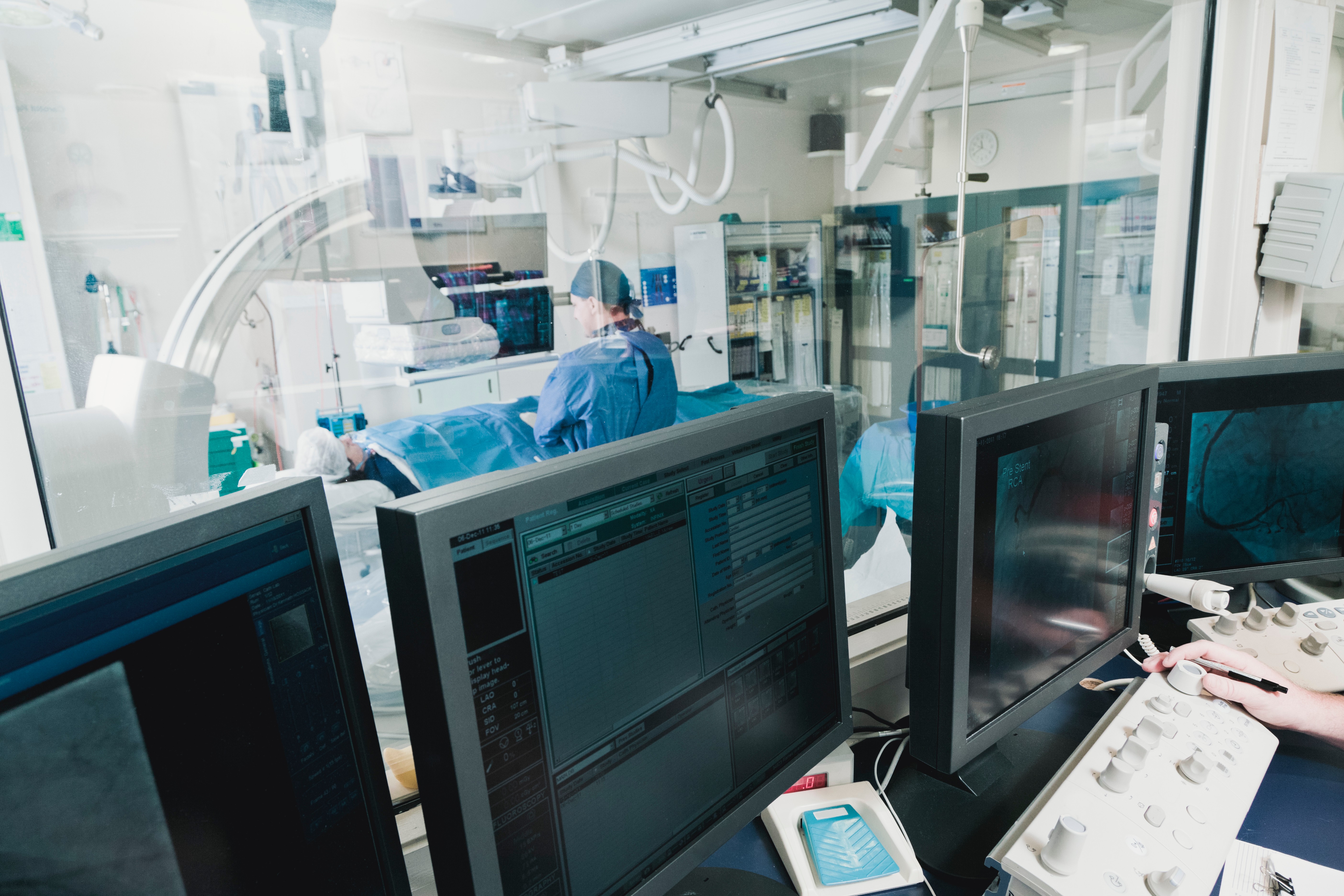
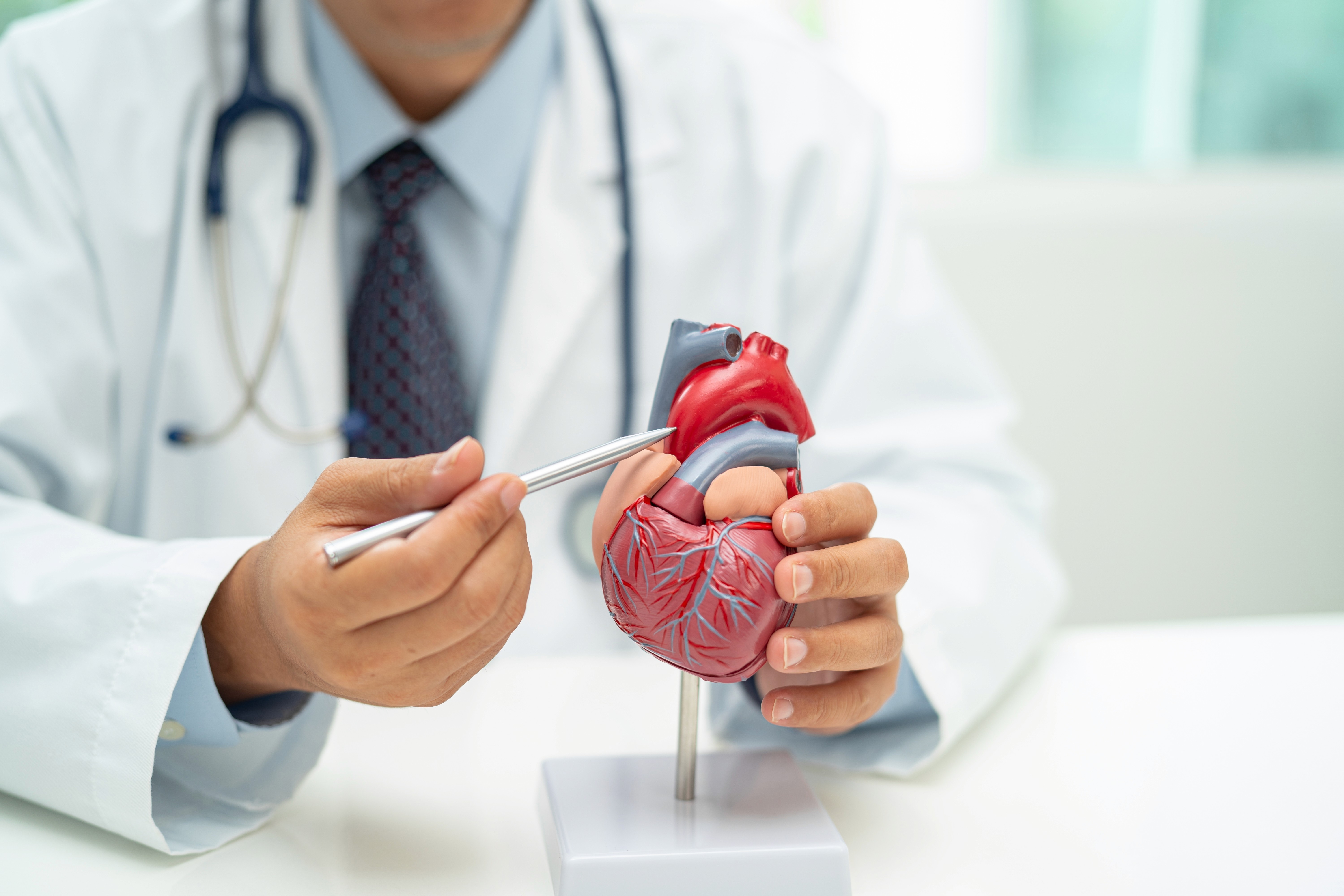
Transcatheter Aortic Valve Implantation (TAVI) has emerged as a groundbreaking procedure in cardiology, offering a minimally invasive alternative to traditional open-heart surgery for patients suffering from severe aortic stenosis. This condition is characterized by the narrowing of the aortic valve, which restricts blood flow from the heart to the rest of the body, leading to symptoms such as chest pain, fainting, and heart failure. For many patients, especially the elderly or those with co-existing medical conditions, TAVI represents a life-saving option.
The development of TAVI can be traced back to the early 2000s. The first successful procedure was performed in 2002 by Dr. Alain Cribier in France. Since then, the technology and techniques have evolved significantly, transforming TAVI from an experimental procedure into a mainstream treatment option endorsed by cardiology societies worldwide.
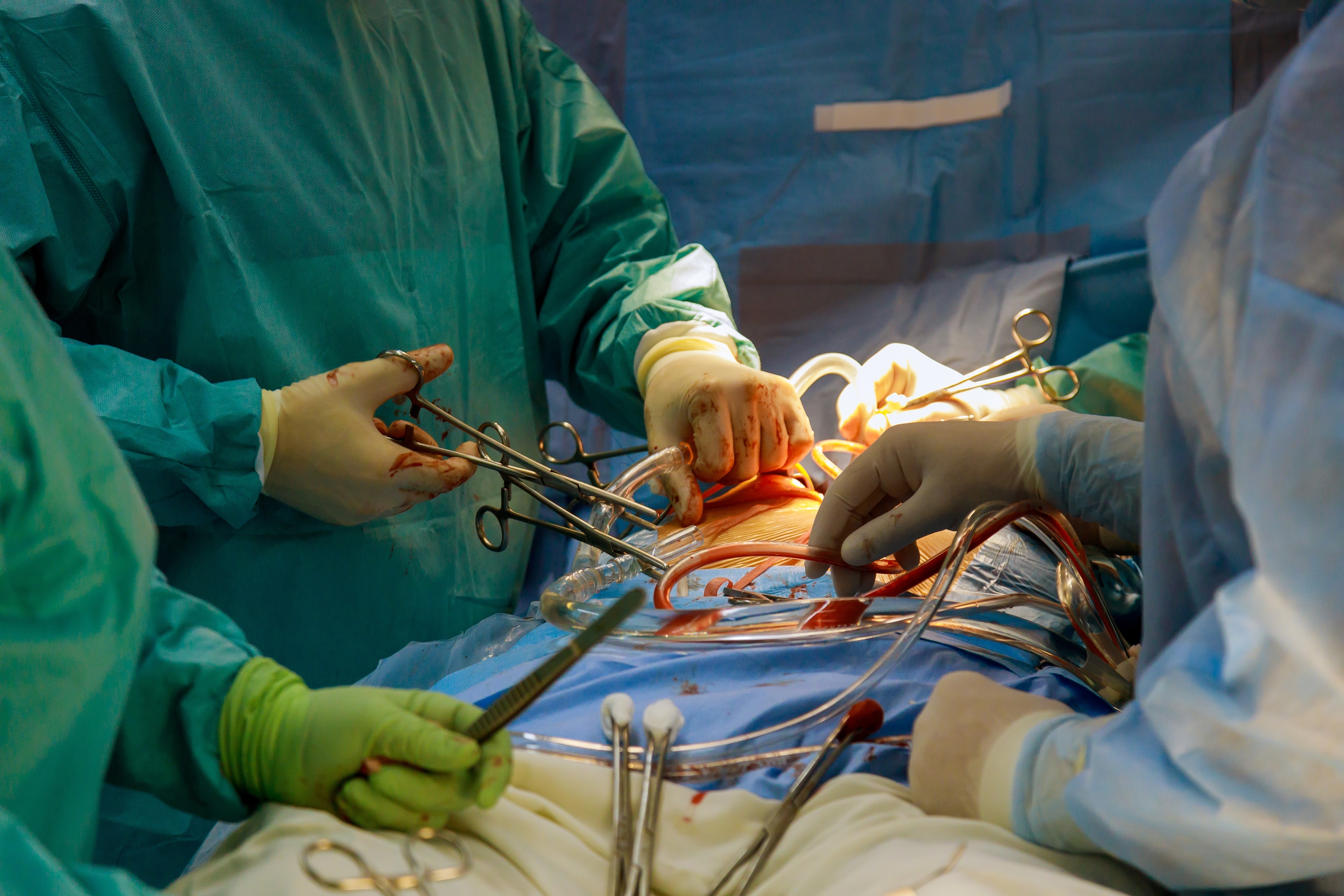
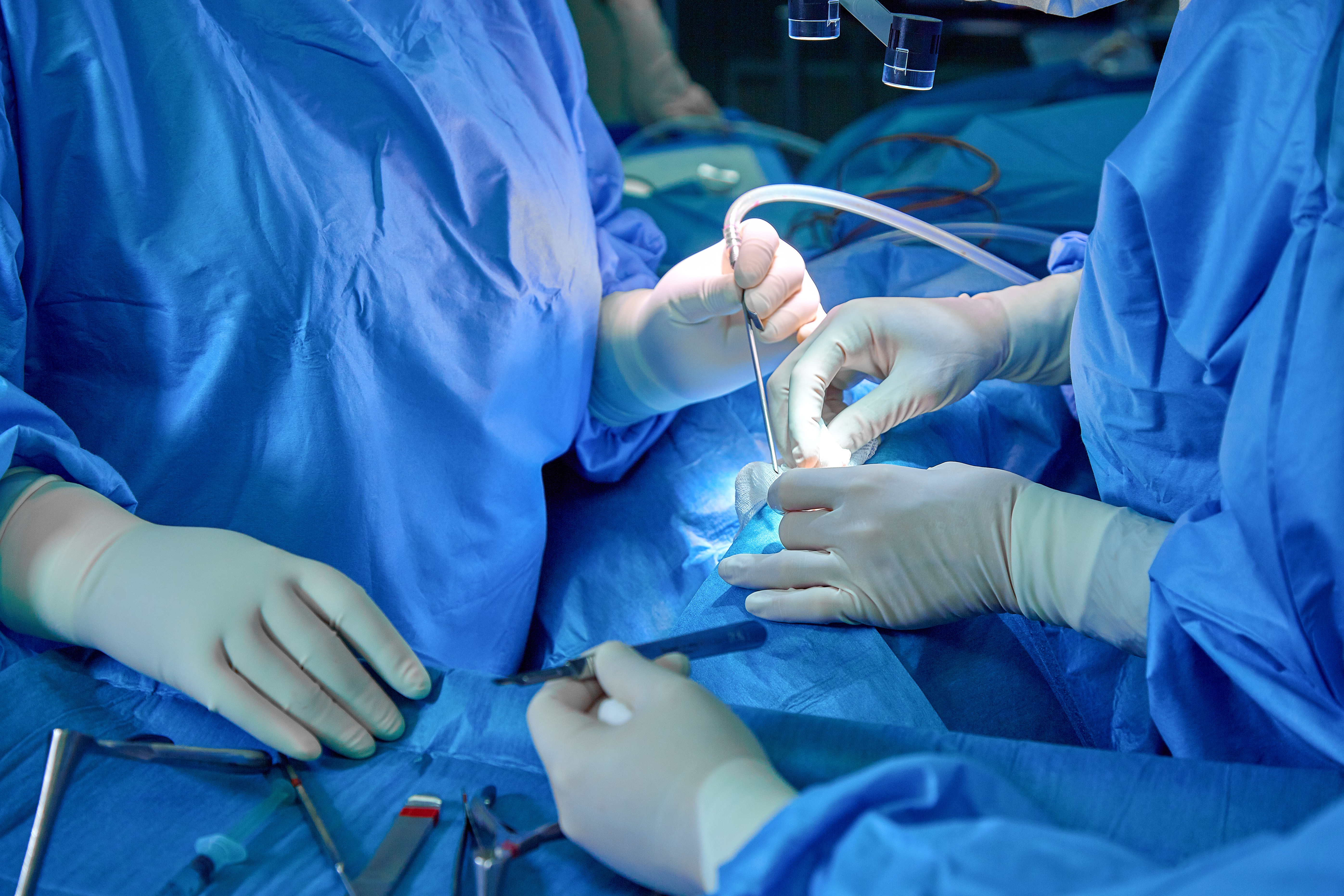
TAVI involves inserting a new valve inside the narrowed aortic valve using a catheter. This procedure is typically performed under local anesthesia, although general anesthesia may be used in some cases. The steps of TAVI include:
Access: The catheter is inserted through a small incision in the groin, or, less commonly, through other access points such as the chest.
Valve Implantation: The catheter, equipped with a collapsible prosthetic valve, is guided to the site of the narrowed aortic valve. Once in position, the new valve is expanded, pushing the old valve leaflets aside and securing itself in place.
Confirmation and Closure: After implantation, imaging techniques such as echocardiography and angiography are used to confirm the valve's position and function. The catheter is then removed, and the incision is closed.
TAVI offers several benefits compared to traditional surgical aortic valve replacement (SAVR):
Minimally Invasive: The procedure is less invasive, requiring only small incisions, which reduces recovery time and hospital stay.
Reduced Risks: TAVI is associated with a lower risk of complications such as infection, bleeding, and stroke, especially in high-risk patients.
Faster Recovery: Patients typically experience a quicker return to normal activities compared to those undergoing open-heart surgery.
Initially, TAVI was reserved for patients deemed inoperable or at high surgical risk. However, recent clinical trials have demonstrated its safety and efficacy in intermediate and low-risk patients as well. Trials such as PARTNER and SURTAVI, among others, have provided strong evidence supporting the expansion of TAVI to a broader range of patients.
The outcomes of TAVI are generally favorable, with high rates of procedural success and significant improvements in symptoms and quality of life. Long-term data indicates durable valve performance, although ongoing monitoring and research continue to refine patient selection and procedural techniques.
Despite its success, TAVI is not without its challenges. Paravalvular leakage, where blood leaks around the new valve, and the risk of post-procedural pacemaker implantation are concerns that need to be addressed. Additionally, the durability of transcatheter valves compared to surgical valves remains an area of active research.
The future of TAVI appears promising, with continuous advancements in valve design, delivery systems, and patient management protocols. Personalized approaches, including the use of 3D imaging and computational modeling, are being explored to enhance procedural precision and outcomes.
TAVI has revolutionized the treatment of aortic stenosis, providing a life-saving option for many patients previously considered unsuitable for surgery. With advancing technology and techniques, TAVI is set to become an even more integral part of cardiac care, offering hope and improved quality of life for countless individuals worldwide.
For patients in underserved markets seeking advanced cardiac care like TAVI, CarePort stands as a trusted facilitator. We connect individuals with world-class international hospitals specialising in TAVI procedures, managing every aspect from initial consultation and travel logistics to post-procedure support. Our expertise ensures seamless access to life-changing treatments, providing hope and improved quality of life for those who need it most.
